
More than 16 years For more then 16 years, Elektronics France Samsung has relied on Caroz THE TMS Advantage as the central control layer for its transport network, covering inbound, outbound, returns ...

SERVICES
Strategic design of logistics networks
Data-backed performance improvements
Scenario simulation for better planning
Supply Chain Analysis & Engineering involves analyzing logistics operations and designing optimized supply chain structures. Using simulations and models, it identifies opportunities for cost savings, performance improvements, and risk mitigation.
Book a 15 min call with our Supply Chain Analysis Engineering experts

Complex supply networks
Manual tools make it difficult to model and optimize complex supply chain scenarios effectively. They lack the speed, accuracy, and flexibility needed for real-time analysis. As a result, opportunities for improvement may be missed or delayed. Advanced, automated tools are essential for data-driven optimization and smarter planning.
Lack of simulation capabilities
Without digital twins, it’s challenging to predict the impact of changes across your supply chain. Traditional methods lack the real-time modeling capabilities needed for accurate scenario analysis. This makes it harder to assess risks, costs, and outcomes before implementing changes. Digital twins provide a virtual replica for smarter, data-driven decision-making.
Data inconsistency
Incomplete or inaccurate data results in faulty conclusions that can misguide decisions and strategies. It undermines trust in analytics and increases the risk of costly errors. Reliable insights depend on clean, comprehensive, and timely data. Ensuring data quality is critical for effective planning and performance management.
Resource-intensive studies
Traditional network studies are often time-consuming, resource-intensive, and conducted too infrequently to keep up with changing conditions. This limits their usefulness for dynamic decision-making and real-time optimization. As a result, opportunities for efficiency and cost savings may be missed. Modern, continuous modeling tools enable faster, more agile supply chain analysis.
Digital supply chain models
Simulate and analyze your supply chain network in a virtual environment to test scenarios and evaluate outcomes before making changes. This allows you to identify risks, uncover efficiencies, and optimize performance without disrupting operations. Virtual modeling supports data-driven decisions and long-term strategic planning. With simulation, you gain clarity, control, and confidence in every move.
Scenario planning tools
Test the impact of various business strategies or potential disruptions in a virtual environment before implementation. This helps you anticipate challenges, evaluate risks, and identify the most effective approaches. By simulating scenarios, you can make informed decisions that minimize downtime and maximize resilience. It’s a proactive way to safeguard and optimize your supply chain.
Data cleansing & enrichment
Ensure your analysis relies on accurate and complete data to generate reliable and actionable insights. High-quality data forms the foundation for sound decision-making and effective strategy development. Without it, conclusions may be misleading and lead to costly mistakes. Prioritizing data integrity is essential for confident, data-driven outcomes.
Continuous optimization
Use real-time data to continuously refine and adapt your network strategies for maximum efficiency and resilience. Ongoing insights enable you to respond swiftly to market changes, disruptions, and emerging opportunities. This dynamic approach ensures your supply chain remains optimized and competitive. With real-time feedback, you can drive continuous improvement and better results.
Smarter logistics design
Make informed decisions on routes, hubs, and flows.
Faster strategy testing
Simulate changes before implementation.
Increased agility
Adapt quickly to market shifts or disruptions.
Data-backed planning
Base decisions on validated models and data.
Supply chain analysis and engineering involve evaluating and designing supply chain processes to optimize performance, reduce costs, and improve resilience.
Key capabilities include network modeling, scenario simulation, risk assessment, process optimization, and performance measurement.
AI enables advanced predictive analytics, real-time scenario modeling, automated optimization, and identification of hidden inefficiencies, driving smarter decisions.
Tools include digital twins, simulation software, optimization engines, and AI-powered analytics platforms.
It supports strategic planning by providing data-driven insights and models that inform network design, resource allocation, and continuous improvement efforts.

More than 16 years For more then 16 years, Elektronics France Samsung has relied on Caroz THE TMS Advantage as the central control layer for its transport network, covering inbound, outbound, returns ...
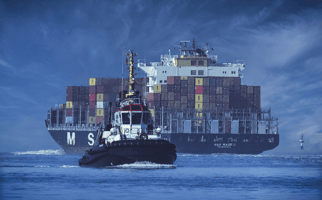
Each monthly update we will highlight one trending topic which has an effect on the global ocean freight market. Container shipping spot rates from China have surged, with the World Container Index ...

Each monthly update we will highlight one trending topic which has an effect on the global ocean freight market. In December, rates rose super hard all at once due to the Red Sea situation. By ...