
More than 16 years For more then 16 years, Elektronics France Samsung has relied on Caroz THE TMS Advantage as the central control layer for its transport network, covering inbound, outbound, returns ...

SERVICES
Track and report logistics emissions accurately
Support sustainability goals and compliance
Identify carbon reduction opportunities
Emissions Calculation & Reporting provides insights into the environmental impact of logistics operations. It supports companies in achieving sustainability goals and complying with regulations by measuring carbon emissions and identifying opportunities for reduction.
Book a 15 min call with our Emissions Calculation & Reporting experts

Inconsistent data formats
Data coming from multiple sources complicates standardizing emissions reporting. Inconsistent formats and incomplete information make it challenging to create accurate and compliant reports. This fragmentation hinders transparency and accountability in sustainability efforts. Consolidating data is essential for reliable emissions calculation and reporting.
Lack of methodology
Without a consistent methodology, emissions calculations lack credibility and can lead to inaccurate or misleading results. This undermines trust with stakeholders and complicates regulatory compliance. Standardized approaches ensure transparency, comparability, and reliability. Consistency is key to effective environmental reporting and meaningful sustainability progress.
Complex compliance rules
Regulatory demands for emissions reporting vary widely and change frequently across regions and industries. Keeping up with these evolving requirements is complex and time-consuming. Failure to comply can result in fines, reputational damage, and operational disruptions. Staying informed and adaptable is essential for ongoing compliance and sustainability success.
Manual tracking
Tracking emissions manually is both inefficient and prone to errors. This approach increases the risk of inaccurate data, missed reporting deadlines, and non-compliance. It also consumes valuable time and resources that could be better spent on analysis and improvement. Automating emissions tracking ensures accuracy, efficiency, and timely reporting.
Standardized frameworks
Use recognized standards like GLEC or ISO to ensure consistent, reliable carbon emissions reporting. These frameworks provide clear guidelines for measurement, calculation, and disclosure. Adhering to them enhances credibility and facilitates regulatory compliance. They also enable meaningful comparisons and benchmarking across organizations.
Automated data integration
Automatically pull emissions data from TMS, carriers, and sensors to ensure comprehensive and accurate reporting. This integration reduces manual effort and minimizes errors. Real-time data collection supports timely insights and informed decision-making. Automating data capture streamlines the emissions tracking process and enhances transparency.
Carbon dashboards
Visualize emissions data across transportation modes, lanes, and partners to gain a clear understanding of your carbon footprint. Interactive dashboards help identify high-impact areas and opportunities for improvement. This comprehensive view supports targeted sustainability initiatives and better reporting. Visual analytics make complex data accessible and actionable.
Actionable insights
Identify the most impactful areas for carbon reduction by analyzing emissions data across your supply chain. Pinpointing high-emission routes, modes, or partners enables focused improvement efforts. This targeted approach maximizes environmental benefits and cost savings. Prioritizing actions based on impact drives more effective sustainability strategies.
Regulatory readiness
Meet all reporting requirements effortlessly.
Sustainability transparency
Show progress to stakeholders clearly.
Carbon reduction
Find and act on emission hotspots.
Brand value
Strengthen reputation with sustainability leadership.
Emissions calculation and reporting involve measuring greenhouse gas emissions across supply chain activities and communicating these results for transparency and compliance.
Key features include automated data collection, standardized calculation methods, real-time tracking, customizable reporting, and compliance management.
Caroz’s AI-driven platform automates data aggregation, identifies emission hotspots, predicts future impacts, and provides actionable insights to optimize sustainability efforts.
Caroz’s Control Tower integrates data from transport management, carriers, and sensors to deliver accurate, real-time emissions reporting aligned with industry standards.
Accurate emissions tracking supports sustainability goals, regulatory compliance, and stakeholder transparency, helping businesses reduce environmental impact while improving operational efficiency.

More than 16 years For more then 16 years, Elektronics France Samsung has relied on Caroz THE TMS Advantage as the central control layer for its transport network, covering inbound, outbound, returns ...
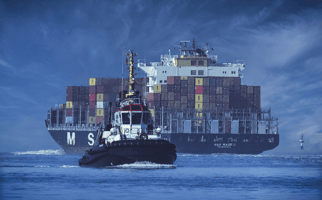
Each monthly update we will highlight one trending topic which has an effect on the global ocean freight market. Container shipping spot rates from China have surged, with the World Container Index ...

Each monthly update we will highlight one trending topic which has an effect on the global ocean freight market. In December, rates rose super hard all at once due to the Red Sea situation. By ...