
More than 16 years For more then 16 years, Elektronics France Samsung has relied on Caroz THE TMS Advantage as the central control layer for its transport network, covering inbound, outbound, returns ...

SERVICES
Faster cross-border clearance
Improved compliance with regulations
Centralized document and license management
Customs Handling involves managing documentation, compliance, and clearance for cross-border shipments. It’s vital to avoid delays, fines, and ensure international trade runs smoothly.
Complex compliance rules
Constantly changing regulations across countries raise the risk of delays, compliance issues, and costly penalties. Navigating these complexities manually can lead to missed updates and documentation errors. This slows down shipments and exposes businesses to legal and financial risks. Staying compliant requires up-to-date insights and automated compliance checks.
Manual documentation
Paper-based handling slows down processes and increases the risk of errors. It makes tracking and verification more difficult, leading to inefficiencies and delays. Manual paperwork is also harder to audit and prone to being lost or misfiled. Digital systems streamline workflows and enhance accuracy across operations.
Lack of visibility
Limited oversight into clearance status leads to delays, uncertainty, and poor planning. Without real-time visibility, it’s difficult to anticipate issues or keep stakeholders informed. This lack of transparency disrupts timelines and increases stress across the supply chain. Clear, centralized tracking is essential for smooth and predictable customs clearance.
Costly penalties
Errors in classification or documentation can result in hefty fines, shipment rejections, and extended delays. These mistakes often stem from manual processes or outdated information. They not only increase costs but also damage supplier and customer relationships. Accurate, automated compliance tools help avoid these costly disruptions.
Automated customs workflows
Digitize and automate documentation and declarations to ensure accuracy, consistency, and faster processing. This reduces the risk of human error and keeps your shipments compliant with ever-changing regulations. Automation also accelerates clearance times and minimizes manual workload. The result is a more efficient, reliable, and transparent customs process.
Compliance checks
Ensure every shipment complies with current international trade regulations through automated checks and real-time updates. This minimizes the risk of fines, delays, or rejections at borders. Staying compliant also protects your reputation and keeps your supply chain running smoothly. With built-in compliance tools, you can confidently navigate global trade requirements.
Centralized data management
Store all licenses, documents, and HS codes in one secure, centralized location for easy access and management. This organization ensures regulatory compliance and simplifies audits or inspections. It also reduces the risk of lost or outdated information. With everything in one place, you gain control, security, and efficiency in your trade operations.
Real-time clearance tracking
Monitor clearance progress in real time to stay informed at every step. Proactive alerts and insights enable you to quickly identify and resolve potential issues. This reduces delays and keeps shipments moving smoothly. With full visibility, you can ensure timely and compliant customs processing.
Fully integrated order-to-cash processes
Eliminate silos between logistics functions.
Reduced compliance risk
Automatic checks lower the chance of penalties.
Central document control
Easy access to all customs-related files.
Improved predictability
Real-time tracking ensures on-time delivery even across borders.
Customs handling manages the processes and documentation required to clear goods through customs, ensuring compliance with import and export regulations.
These include product classification, preparing and submitting declarations, calculating duties and taxes, undergoing inspections, and obtaining clearance approval.
Proper customs handling minimizes delays and errors, ensures regulatory compliance, reduces the risk of fines, and speeds up shipment clearance.
AI can automate document review, predict potential compliance issues, speed up classification and declaration processes, and provide real-time risk assessments to avoid delays.
Customs handling integrates with ERP, transportation, and trade compliance platforms to enable seamless data sharing, improve visibility, and streamline end-to-end operations.
.png?width=225&height=225&name=Person%20CTA%20(5).png)
More than 16 years For more then 16 years, Elektronics France Samsung has relied on Caroz THE TMS Advantage as the central control layer for its transport network, covering inbound, outbound, returns ...
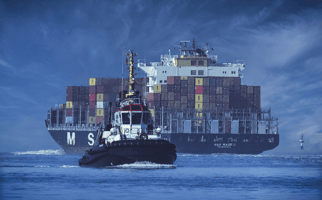
Each monthly update we will highlight one trending topic which has an effect on the global ocean freight market. Container shipping spot rates from China have surged, with the World Container Index ...
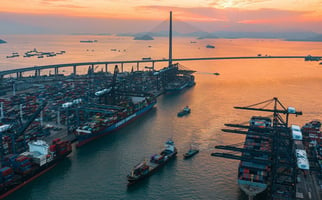
Each monthly update we will highlight one trending topic which has an effect on the global ocean freight market. In December, rates rose super hard all at once due to the Red Sea situation. By ...